

what is a laminated window
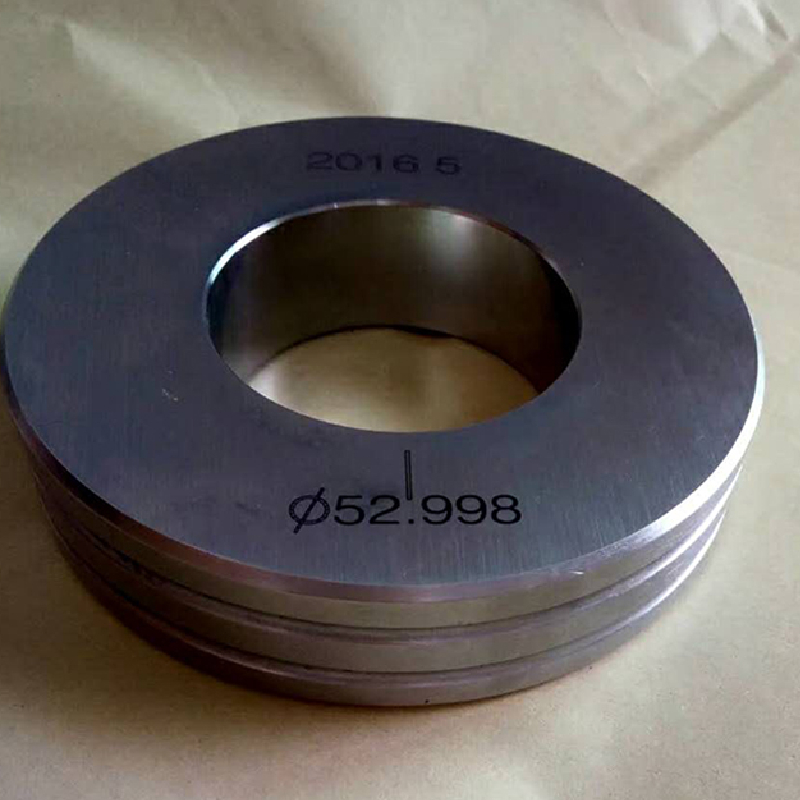
Understanding Gauge Pin Classes A Comprehensive Overview Gauge pins are essential tools used in manufacturing and quality assurance to measure the dimensions of parts and assemblies. The classification of these pins into different gauge pin classes allows for standardized measurement and ensures precision in engineering processes. This article aims to explore the concept of gauge pin classes, their significance, applications, and variants in the manufacturing sector. What Are Gauge Pins? Gauge pins, often referred to as plug gauges or pin gauges, are cylindrical precision tools made from high-quality steel. They are utilized to check the diameter of holes or to verify the size of an internal or external feature. The fundamental principle behind gauge pins is that they should fit into the hole of the corresponding size, thus confirming that the part meets specified tolerances. Classification of Gauge Pins Gauge pins can be categorized into different classes based on their tolerance and intended use. The most common classification system is defined by ISO (International Organization for Standardization) standards and includes the following key classes 1. Go Gauge Pins These pins are designed to check whether a hole is within the minimum limit of its diameter. A Go gauge should fit without force into the part being measured, indicating that it is acceptable. 2. No-Go Gauge Pins Conversely, No-Go gauge pins are used to ensure that a component does not exceed its maximum size. If the No-Go gauge pin fits into the hole, the component is deemed too large and is therefore rejected. 3. Basic Pins These pins have no tolerance and are used primarily for inspection purposes. They are often referred to as “reference pins” and help in ensuring that all gauge pins adhere to standardized measurements. gauge pin class 4. Special Pins In addition to the standard pins, manufacturers may produce special gauge pins for unique applications, including varying lengths, diameters, and tolerances, to suit specific requirements of particular industries. Significance of Gauge Pin Classes The classification of gauge pins plays a crucial role in ensuring quality control in manufacturing processes. By utilizing different classes of gauge pins, manufacturers can efficiently assess the dimensional accuracy of their products. This classification allows for - Streamlined Quality Assurance Using gauge pins, inspectors can quickly determine whether a part is acceptable, thus streamlining the quality assurance process. - Cost Efficiency By catching defects early in the manufacturing process, companies can reduce waste and rework costs, leading to improved overall profitability. - Enhanced Precision The use of gauge pins ensures that parts maintain precise tolerances, which is essential for high-performance applications, especially in industries like aerospace, automotive, and medical manufacturing. Conclusion In conclusion, gauge pin classes serve as a foundation for quality control in manufacturing, providing a systematic approach to measuring and verifying the dimensions of various components. The primary categories of Go, No-Go, basic, and special pins empower manufacturers to maintain the highest standards of precision and compliance. As industries continue to evolve and demand for quality assurance rises, the importance of understanding and utilizing gauge pin classes will only increase, ensuring that engineers and manufacturers can produce top-notch products with confidence.
about
what is a laminated window
Grounding a Welding Table Importance and Techniques Welding is a critical process in various industries, from automotive to construction, and it is fundamentally based on the principles of electricity and metallurgy. A key aspect of welding safety and effectiveness is ensuring proper grounding of the welding table. Grounding is not only essential for equipment functionality but also plays a crucial role in the safety of the welders and the work environment. Why Grounding is Important Grounding a welding table helps to prevent electrical shock. When a welder uses a welding machine, it generates an electrical current that needs a clear path to ground to ensure safety. Without proper grounding, there exists the risk of stray electrical currents that can lead to serious injuries or even fatalities. Grounding equipment also serves to protect sensitive components within the electrical circuit, helping to prevent damage from electrical surges and ensuring smoother operation. Moreover, effective grounding improves weld quality. A well-grounded welding table facilitates the flow of electricity during the welding process, ensuring that enough current reaches the weld area. Insufficient grounding can result in poor welds, which may be weaker or have defects, thus compromising the integrity of the finished product. This, in turn, could lead to catastrophic failures in applications where structural reliability is paramount. Techniques for Grounding a Welding Table To properly ground a welding table, several techniques can be employed. These methods vary based on the type of welding operation, the table material, and the specific requirements of the welding process. grounding a welding table 1. Use of Ground Cables The simplest and most common method is to attach a heavy-duty ground cable directly from the welding machine to the table. The other end of the ground cable should be connected to a grounding rod or a suitable earth connection. Tables made of conductive material like steel can serve as effective grounding points. 2. Dedicated Grounding System For workshops with multiple welding stations, it may be beneficial to create a dedicated grounding system. This can involve installing a series of grounding rods driven into the ground, connected with copper wires that run throughout the workshop, allowing each welding table to share the grounding system. 3. Grounding Brushes and Straps In cases where welders frequently switch between various equipment or move around, grounding brushes or straps can be attached to the welding table. These provide constant grounding regardless of the welder's movements and ensure consistent electrical flow. 4. Regular Checks and Maintenance It is essential to regularly inspect grounding connections and cables for wear, corrosion, or damage. Any issues should be addressed immediately to maintain optimal safety and performance levels. Conclusion Grounding a welding table is an indispensable practice in ensuring both safety and effectiveness in the welding process. As the industry continues to advance, awareness of the importance of proper grounding systems will only grow. By implementing effective grounding techniques and regularly maintaining equipment, welders can safeguard not only their well-being but also enhance the quality of their work. Ultimately, proper grounding is not merely a technical requirement; it is a fundamental aspect of creating a safer and more efficient welding environment. Investing time and resources in grounding practices will pay dividends in terms of safety, equipment longevity, and the quality of the final welds produced.
-

High quality industrial productsagement

High quality industrial products
View Details -

Meet the diverse needs of customers

Meet the diverse needs of customers
View Details -

Strict quality control

Strict quality control
View Details -

Top raw materials

Top raw materials
View Details -

Trusted supplier

Trusted supplier
View Details
 English